Free Consultation
(888) 888-8888

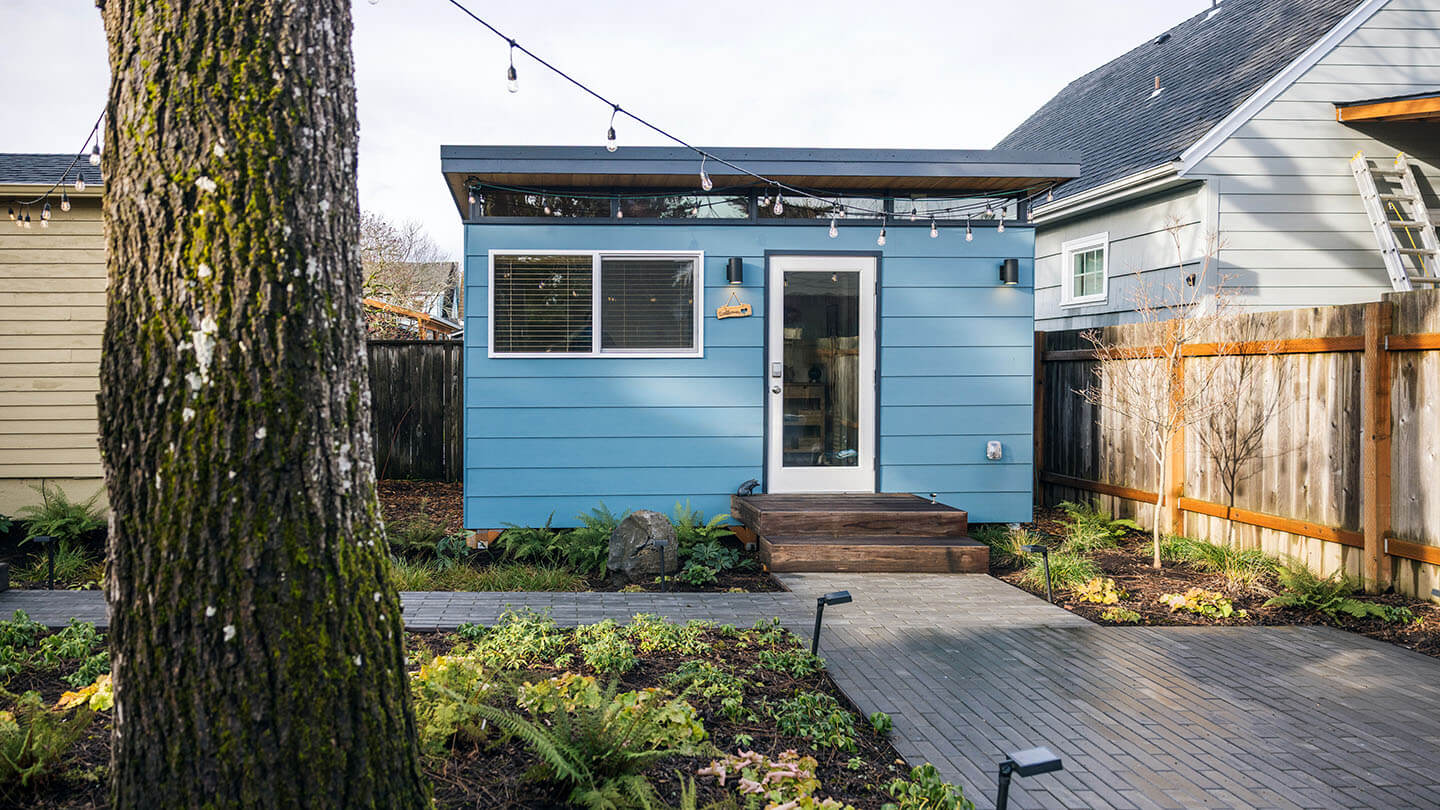
North Carolina homeowners use backyard offices and accessory dwelling units to add space for work, guests, and flexible living. Growing metro regions and increased remote work demand make backyard structures a practical solution across the state.
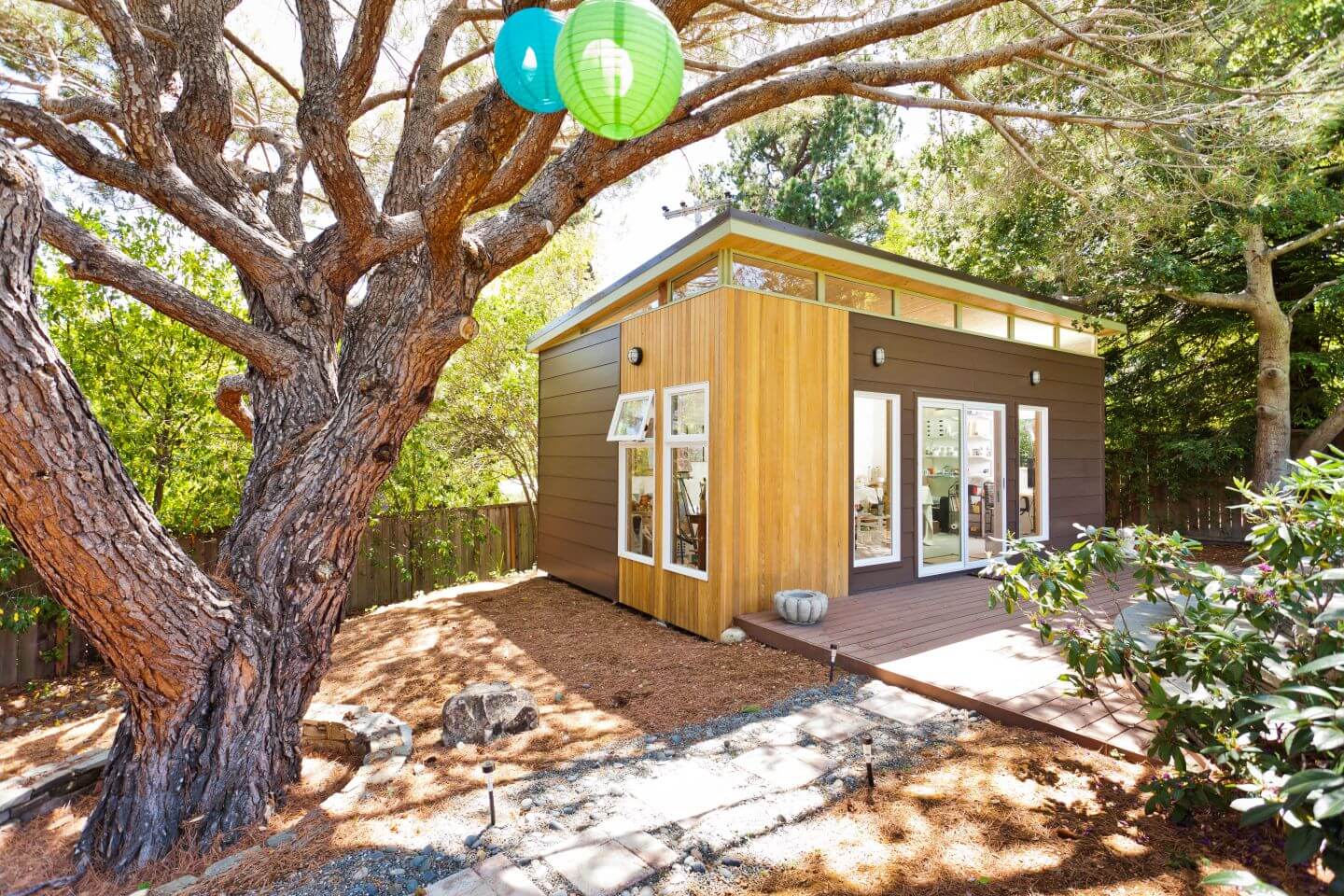
Modern Shed designs and delivers prefab backyard studios and office sheds across the continental United States, including projects in North Carolina.
Homeowners across North Carolina often seek:
Common goals include:
Backyard structures allow these uses without altering the main home footprint.
Backyard offices are detached accessory structures used for work or personal activities. They usually do not include a full kitchen or bathroom.
Permit requirements depend on size and utilities. Some small accessory structures may qualify for limited exemptions, but zoning rules still apply.
An ADU is a secondary dwelling unit on the same lot as a primary home. ADUs require permits and must meet residential building standards.
North Carolina does not have a single statewide ADU mandate. Cities and counties control zoning, placement, and development standards.
North Carolina spans coastal, piedmont, and mountain regions.
Many areas experience high humidity. Proper ventilation and material selection support long-term durability.
Coastal and inland storms influence structural design and site planning.
Lot size and access vary widely, which affects foundation and delivery planning.
Permitting requirements depend on local ordinances.
Modern Shed helps homeowners understand general requirements and plan accordingly.
The most frequently asked questions regarding adding a Modern Shed to your property are below. These will help you determine the feasibility and legality of doing so.
Backyard offices are allowed in many parts of North Carolina, but rules depend on local zoning and building codes. Cities and counties regulate accessory structures, including size limits, placement, and whether permits are required. Homeowners should confirm requirements with their local jurisdiction.
Many backyard offices require a building permit, especially if the structure exceeds local size thresholds or includes electrical, plumbing, or mechanical systems. Some smaller, non-habitable accessory structures may qualify for limited permit exemptions, but zoning rules still apply even when a building permit is not required.
North Carolina does not have a single statewide ADU law. ADUs are regulated at the local level. Some cities and towns allow ADUs under specific zoning conditions, while others restrict or prohibit them. Whether an ADU is allowed depends on local ordinances, zoning districts, and lot characteristics.
A backyard office is typically a non-habitable accessory structure used for work or personal activities. An ADU is a legal dwelling unit with cooking and sanitation facilities. ADUs must meet residential building standards and zoning requirements, while backyard offices often follow accessory structure rules.
Yes. With proper insulation, ventilation, and climate control, backyard offices can be used year-round in North Carolina. Designs often account for humidity, temperature swings, and seasonal weather.
In jurisdictions where ADUs are allowed, they are commonly used as long-term rentals. Short-term rental use may be regulated separately by local ordinances. Homeowners should review local rental rules before planning this use.
Modern Shed designs prefab backyard offices and studios and supports installation through a national installer network, including projects in North Carolina. The team helps homeowners explore design options and understand general permitting paths.
Timelines vary based on design, permitting, and site conditions. Backyard offices often take less time than ADUs, which require more extensive review. Permit approval timeframes depend on local jurisdictions.
The first step is to define how you plan to use the space and confirm local zoning rules. Once you contact Modern Shed, the team can help identify options and next steps based on your property and location.