Free Consultation
(888) 888-8888


Homeowners in Denver often look for flexible ways to adapt their space to changing needs. Backyard structures provide a way to do this without major interior renovations.
These spaces are commonly used for:
A detached structure also allows homeowners to create separation between work, recreation, and daily living.
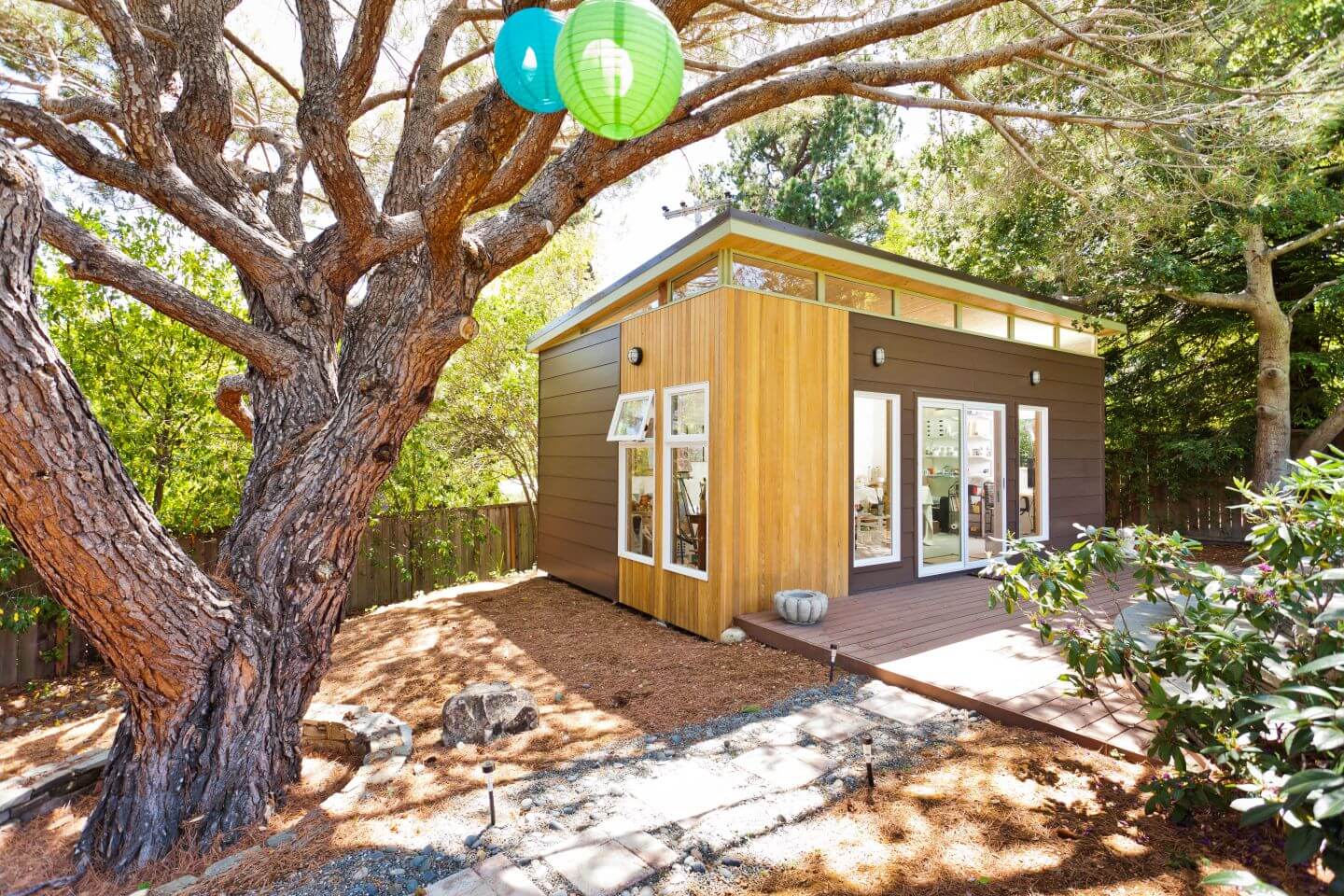
Backyard offices are standalone accessory structures designed for work or personal use. They can be equipped with lighting, power, and climate control, but they are generally not classified as full residential units.
Common applications include:
Because they are typically simpler than residential units, backyard offices can offer a more streamlined path from planning to installation.
An accessory dwelling unit is a secondary residential structure located on the same lot as a primary home. These units are designed for full-time living and include kitchen and sanitation facilities.
Denver allows ADUs in certain zoning districts, though eligibility depends on the property and neighborhood regulations.
ADUs are often used for:
Because ADUs are considered residential units, they require permits and must meet local building and zoning standards.
Denver’s elevation and climate bring temperature swings throughout the year. Backyard structures should be designed with insulation and heating in mind to support comfort in colder months.
Denver experiences strong sunlight year-round. Window placement and shading can help balance natural light with interior comfort.
Winter weather and snow loads are important considerations when planning structure design and materials.
Denver includes a mix of urban neighborhoods with tighter lots and suburban areas with more space. Access to the backyard can influence installation methods.
Permit requirements depend on the structure type and intended use.
Some smaller accessory structures may qualify for limited permit exemptions, but zoning rules still apply.
Because zoning rules vary by neighborhood, it is important to confirm requirements early in the planning process.
Modern Shed designs backyard offices, studios, and ADUs that align with how Denver homeowners use their space.
Our approach focuses on:
We help homeowners evaluate the right type of structure based on their property, goals, and local requirements.
The most frequently asked questions regarding adding a Modern Shed to your property are below. These will help you determine the feasibility and legality of doing so.
Many backyard offices require permits depending on size and features. Smaller structures may qualify for limited exemptions, but zoning rules still apply.
A backyard office is typically a non-habitable structure used for work or personal activities. An ADU is a residential unit with kitchen and sanitation facilities and must meet building code requirements.
ADUs are allowed in certain areas of Denver based on zoning regulations. Eligibility depends on the specific property and zoning designation.
Yes. With proper insulation and heating, backyard offices can be used throughout the year.
Start by defining how you plan to use the space and reviewing local zoning requirements. Modern Shed can help guide you through the next steps based on your property.