Free Consultation
(888) 888-8888

California homeowners use backyard offices, studios, and accessory dwelling units to create space for work, guests, and flexible living. These structures can help you add usable space without expanding the main home footprint.
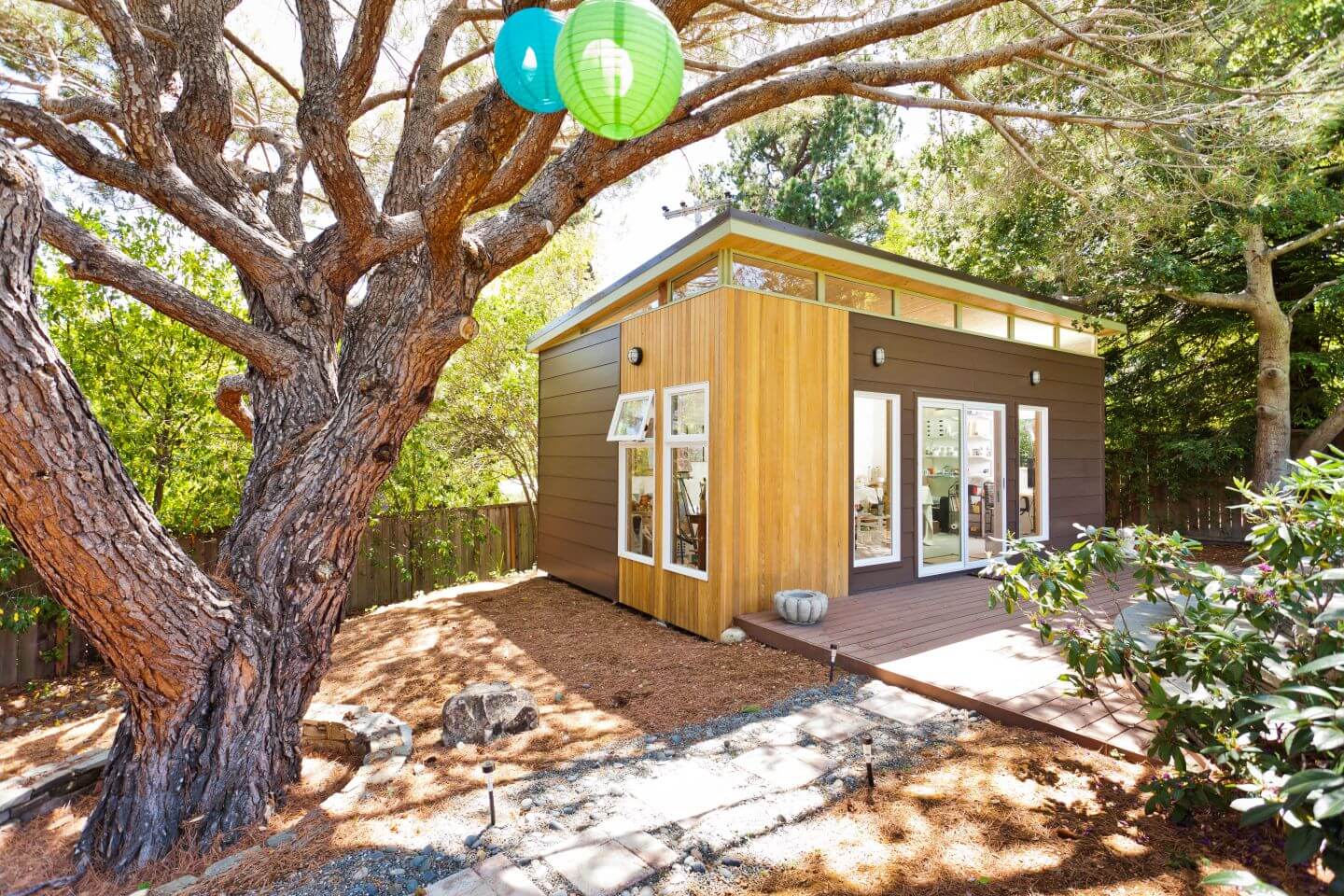
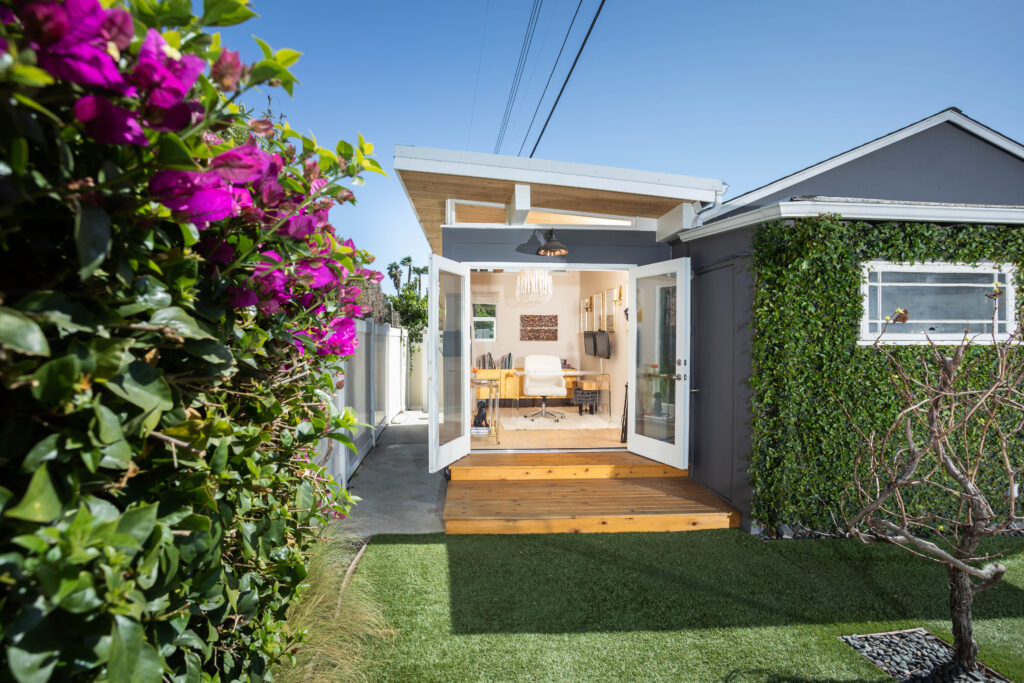
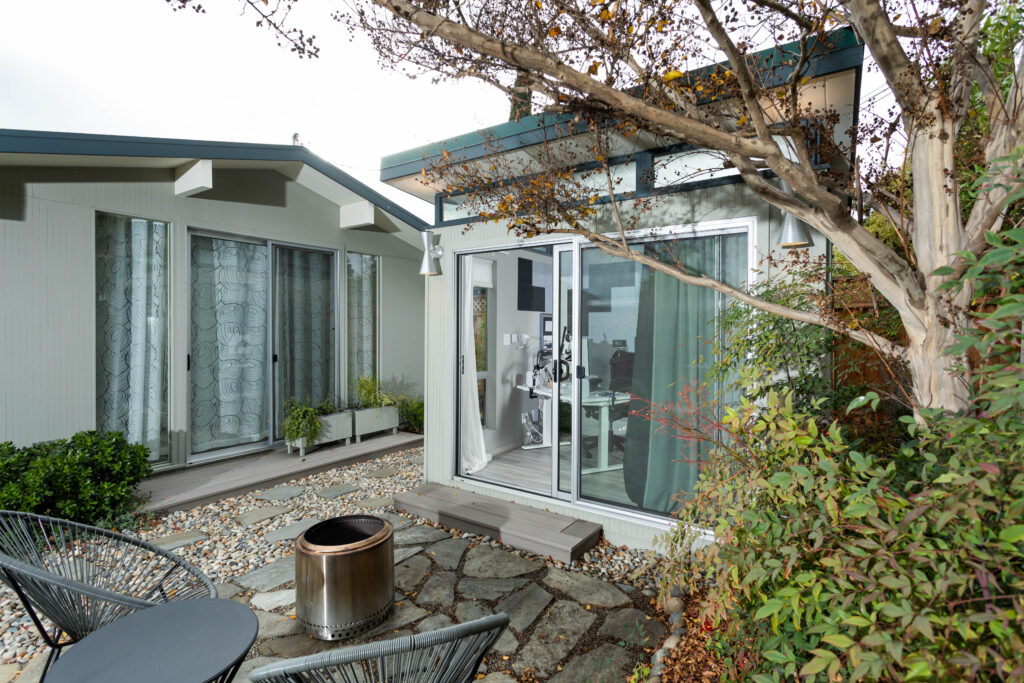
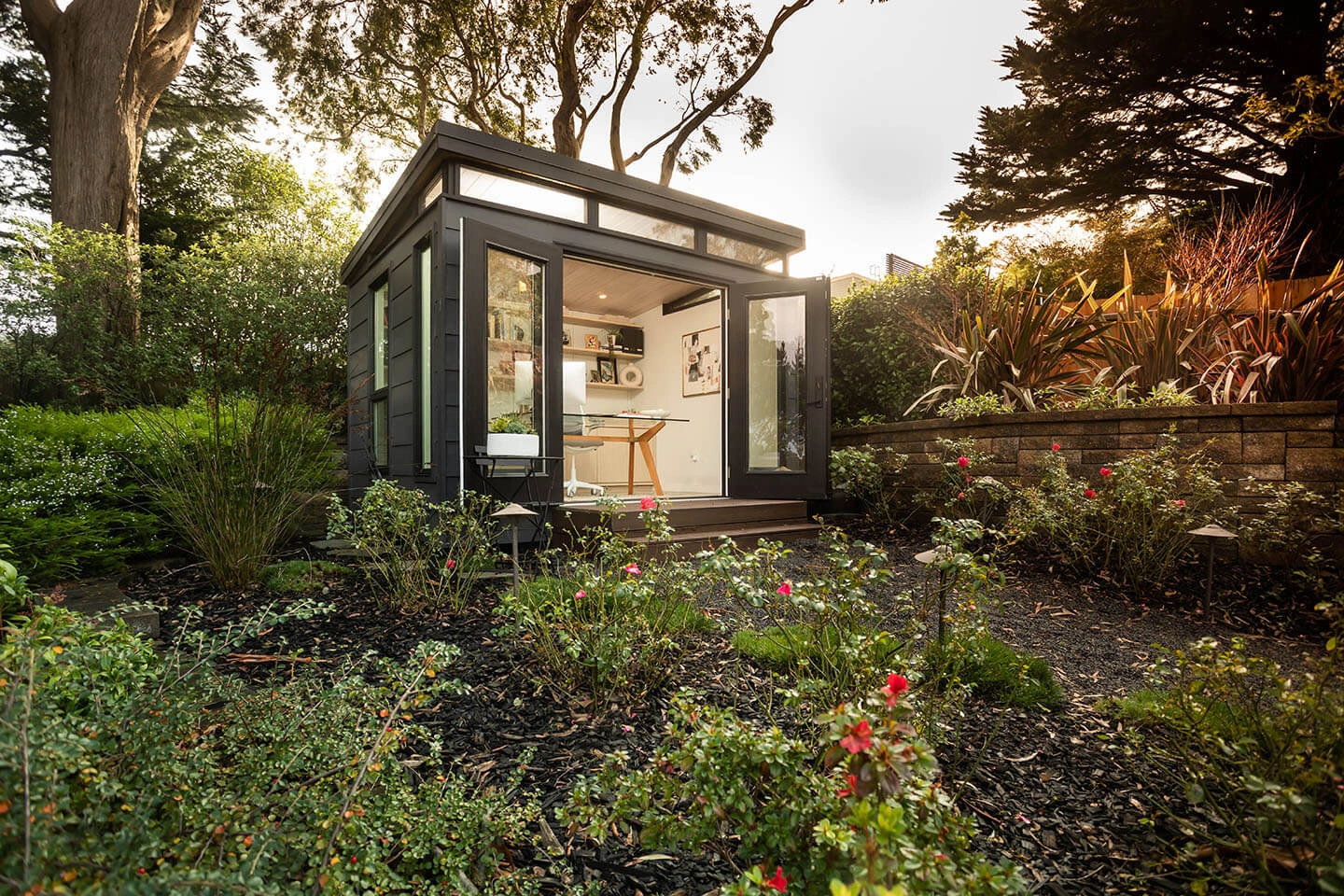
Modern Shed designs and delivers custom prefab sheds, studios, and ADU-style spaces through a trusted installer network that supports projects across the continental United States. Many Modern Shed projects and customer stories come from California, including backyard guest houses and home office studios.
California has a long history of housing pressure, high land costs, and limited space in many neighborhoods. Backyard structures offer a way to add:
California state law also supports ADU development. The California Department of Housing and Community Development, often called HCD, publishes guidance for homeowners and local agencies to help interpret state ADU law.
Modern Shed designs custom prefab sheds and studio spaces and supports installation through a national installer network. That matters in California because site conditions vary widely, from tight city lots to hillside properties.
Modern Shed has built over a thousand sheds in California, including guest houses, home gyms, and home offices in the San Francisco Bay area.
A backyard office or studio is often a detached accessory structure used for work, hobbies, fitness, or storage. These spaces typically do not include the features that make a structure a legal dwelling, such as a full kitchen and full bathroom.
Common uses include:
Some small accessory structures may qualify for permit exemptions in many California jurisdictions, often based on size and whether the structure includes plumbing or mechanical systems. For example, the City of Oakland lists one-story detached accessory structures such as tool and storage sheds as exempt from a building permit when the floor area does not exceed 120 square feet. Other local agencies publish similar guidance, but requirements vary and zoning rules still apply.
An accessory dwelling unit, or ADU, is a second, smaller home on the same lot as a primary home. ADUs include permanent provisions for living, sleeping, cooking, and sanitation.
California generally recognizes the following ADU types:
HCD’s ADU Handbook is a reliable starting point for understanding how state law is applied and where local discretion still exists.
California has passed multiple laws over the years that limit how restrictive local ADU rules can be. HCD provides technical assistance and publishes guidance to help homeowners and cities understand the current state framework.
Here are a few high-level concepts that remain useful for homeowners:
State law sets minimum standards, but cities and counties still control many details, including:
Because of this, the correct approach is to start with statewide guidelines, then confirm your specific property rules with your local planning and building departments.
HCD notes that state ADU and JADU statutes were re-numbered in 2024 after the chaptering of SB 477. This is one reason ADU content should stay evergreen and focus on process and concepts, not just code section numbers.
Permitting depends on what you are building and how you plan to use it.
In many places, very small, non-habitable sheds may be exempt from a building permit under the California Building Code. Oakland’s guidance describes a common exemption for accessory structures that do not exceed 120 square feet.
Even when a building permit is not required, you still may need to follow:
Some jurisdictions also require planning or zoning approval even if a building permit is not required.
ADUs require permits and must meet residential building code standards. HCD’s handbook explains that state law is intended to provide a clear path for legal ADUs, but the details of review and approval still run through local agencies.
California is not one climate. Backyard structures should match local conditions.
Coastal regions often have mild temperatures but can include moisture, fog, and salt exposure. Materials, window selection, and ventilation planning matter.
Many inland areas experience higher summer temperatures. Shading, insulation, and cooling planning help maintain comfort in a backyard office or ADU.
Some parts of California fall within designated wildfire hazard zones. In those areas, building standards and defensible space requirements may be more strict. Local agencies can confirm what applies to your address.
Large parts of the Bay Area, Los Angeles, and San Diego include hillside lots or constrained access. Early site planning helps prevent redesigns later in the permit process.
California ADU activity is high in many metro regions. Local rules vary, but these areas commonly have strong homeowner demand for:
Common high-demand regions include:
For each area, local zoning and permit processes differ. Modern Shed can help you start with a realistic site and design conversation, then work with local professionals to confirm what is allowed.
The most frequently asked questions regarding adding a Modern Shed to your property are below. These will help you determine the feasibility and legality of doing so.
Many backyard offices require permits depending on size, utilities, and how the space is classified. Some small accessory structures may be exempt from a building permit, often around 120 square feet, but zoning rules still apply and some areas require planning review.
A backyard office is usually a non-habitable accessory structure used for work or personal activities. An ADU is a legal dwelling unit with cooking and sanitation facilities. ADUs require permits and must meet residential standards.
HCD publishes a statewide ADU Handbook and maintains an ADU information page, including updates and technical assistance resources.
Many homeowners use ADUs as rentals, but rental rules can depend on local ordinances and the type of rental. Always check local requirements for long-term and short-term rentals.