Free Consultation
(888) 888-8888

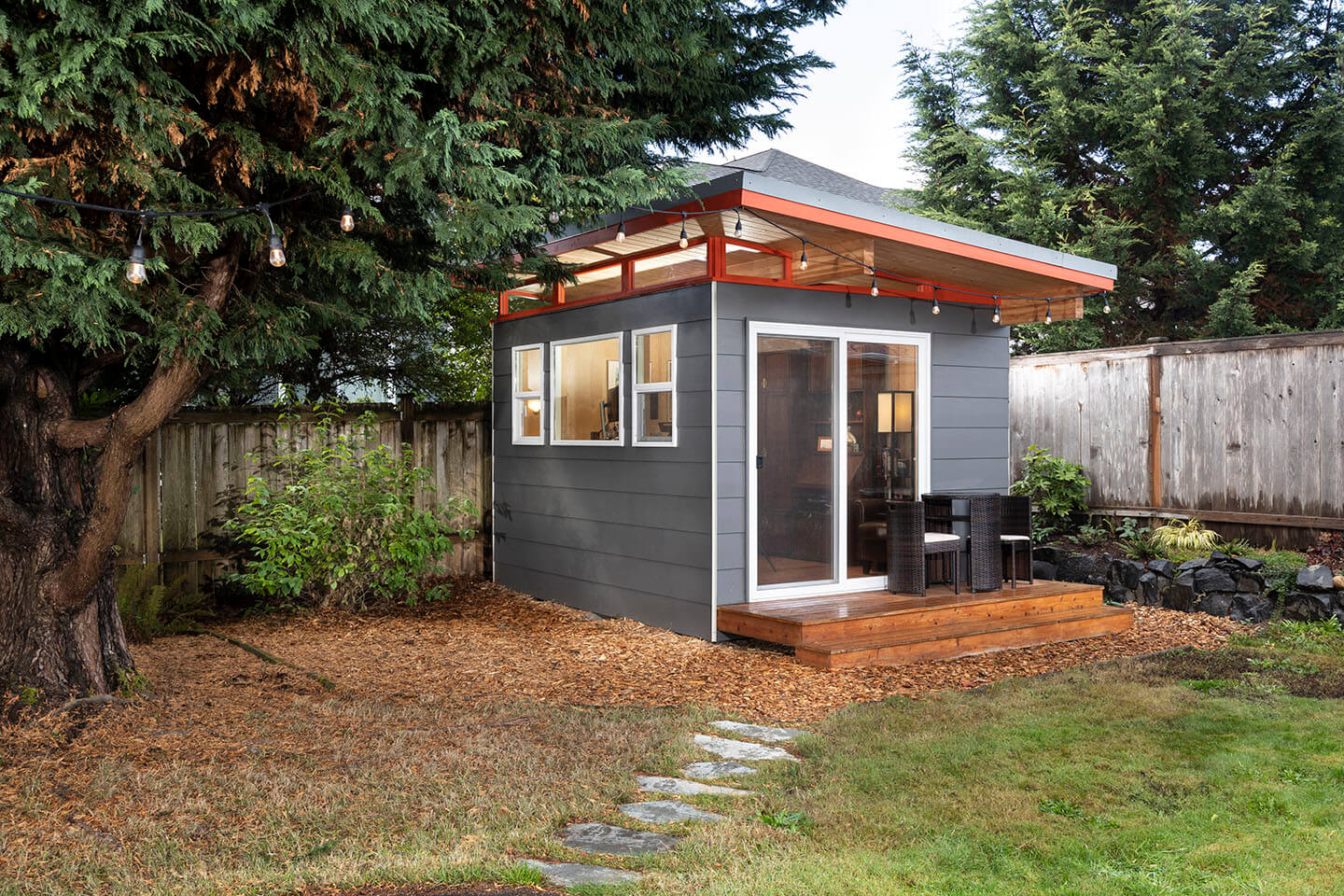
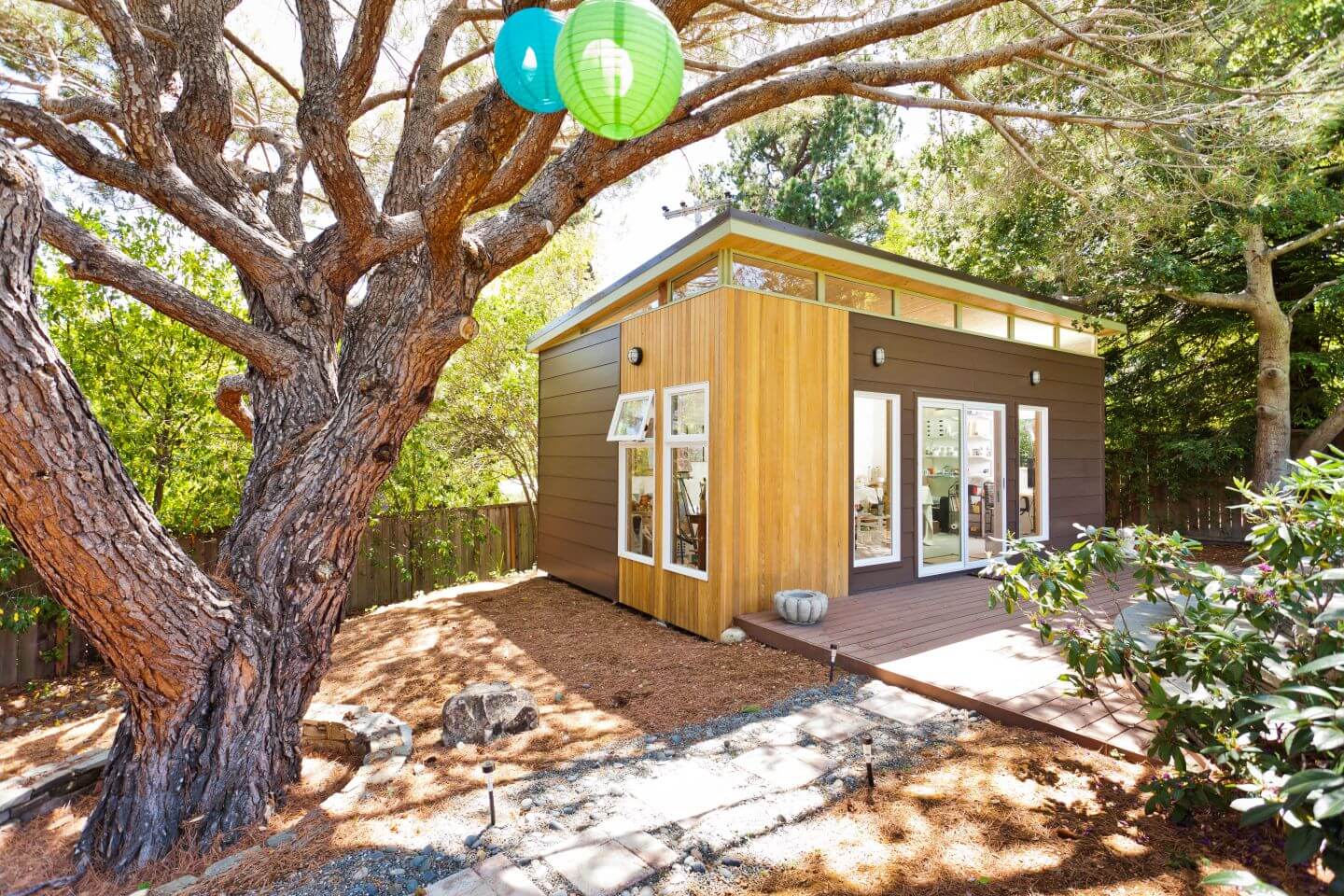
Oregon homeowners use backyard offices, studios, and accessory dwelling units to add space for work, guests, and flexible living. Urban density, climate considerations, and housing demand make backyard structures a common solution throughout the state.
Modern Shed has strong roots in the Pacific Northwest and long experience working on Oregon projects.
Oregon homeowners often seek:
Backyard structures allow homeowners to add space while maintaining the character of existing neighborhoods.
Backyard offices are detached accessory structures used for work or personal use. These structures typically do not function as dwellings.
Some small accessory structures may qualify for limited permit exemptions depending on jurisdiction. Zoning rules still apply.
An ADU is a secondary dwelling unit with cooking and sanitation facilities.
Oregon has taken steps to support ADU development, particularly in urban areas, but cities still control zoning, placement, and permitting details.
Much of Oregon experiences frequent rain. Backyard structures should be designed for moisture control and insulation.
Cities such as Portland include tight lots and limited backyard access. Panelized construction can help address access constraints.
Hillside and sloped lots are common in some regions and affect foundation planning.
Permitting depends on how a structure is classified.
Modern Shed helps Oregon homeowners understand the general process and plan projects that align with local rules.
The most frequently asked questions regarding adding a Modern Shed to your property are below. These will help you determine the feasibility and legality of doing so.
Backyard offices are allowed in many parts of Oregon, subject to local zoning and building codes. Cities and counties regulate accessory structures, including size, placement, and permit requirements. Homeowners should verify local standards before building.
Many backyard offices require a building permit, particularly when they exceed certain size thresholds or include utilities. Some smaller, non-habitable accessory structures may qualify for limited exemptions, but zoning rules still apply.
Oregon supports ADU development, particularly in urban areas, but local governments still control zoning, placement, and permitting details. Most cities allow ADUs in some residential zones, but requirements vary by location.
A backyard office is usually a non-habitable accessory structure used for work or personal use. An ADU is a self-contained dwelling unit with cooking and sanitation facilities. ADUs must meet residential building codes and zoning standards.
Yes. With proper insulation, heating, and ventilation, backyard offices can be used year-round in Oregon’s climate. Designs often focus on moisture control and energy efficiency.
In areas where ADUs are allowed, they are commonly used as long-term rentals. Short-term rental use may be regulated separately by local ordinances. Homeowners should review applicable local rules.
Oregon experiences frequent rain and cooler temperatures in many regions. Backyard offices should be designed with weather-resistant materials, insulation, and ventilation to support long-term use.
Modern Shed has strong roots in the Pacific Northwest and works with Oregon homeowners through its installer network. The team understands common site conditions such as tight urban lots and sloped terrain.
Project timelines depend on design scope, permitting, and site conditions. Backyard offices often move faster than ADUs, which require additional review and inspections.
Start by identifying how you want to use the space and reviewing local zoning rules. After contacting Modern Shed, the team can help outline options and next steps for your property.